
Exploring the psychology behind player decisions in casinos
Author: Emily Cartwright. A behavioral psychologist with a focus on game theory and decision-making processes.
Editor: Michael Thompson. Experienced content strategist with a specialization in gambling industry insights.
The world of casinos is not just about chance and luck; it is deeply intertwined with psychology. Understanding the psychological factors that influence player decisions can unveil why individuals engage in gambling and the strategies they employ, including unique approaches like pocketwin casino. This exploration dives into various elements from cognitive biases to emotional triggers that shape player behavior in casinos.
- The Role of Cognitive Biases
- Emotional Influences on Gambling
- The Impact of Environment
- Risk vs. Reward Perception
- Player Profiles and Decision-Making
- The Influence of Social Dynamics
- Marketing Techniques and Player Attraction
- Conclusion and Final Thoughts
The Role of Cognitive Biases
Cognitive biases significantly affect how players make decisions in casinos. These mental shortcuts lead individuals to make judgments based on heuristics rather than rational analysis. For instance, the “gambler’s fallacy” is a common cognitive bias where players believe that past outcomes can influence future results. It creates an illusion of control over inherently random events.
Other biases, such as the “sunk cost fallacy,” can lead players to continue betting even when they are losing, hoping to recoup their investments. Understanding these biases can help players recognize their thinking patterns, allowing for more informed decisions.
Emotional Influences on Gambling
Emotions play a crucial role in gambling decisions. Players often experience a rush of excitement when winning or a sense of frustration when losing. These emotional responses can lead to impulsive decisions, such as increasing bets after a loss in hopes of recovering funds.
| Emotion | Impact on Decision |
|---|---|
| Excitement | Increases risk-taking behavior |
| Frustration | Leads to chasing losses |
| Fear | Can result in conservative plays |
The Impact of Environment
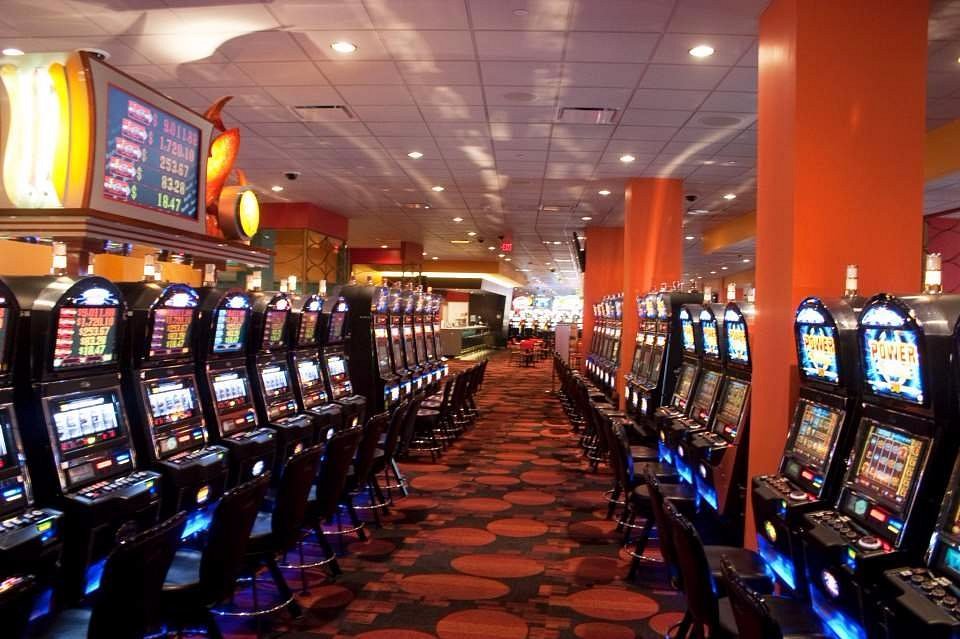
The casino environment is meticulously designed to influence player behavior. Factors such as lighting, sound, and layout can significantly affect decision-making. Bright lights and enticing sounds are strategically used to create a thrilling atmosphere, encouraging players to stay longer and play more.
Even the placement of games can enhance gamblers’ willingness to try their luck. By understanding how environmental elements affect mood and choices, casinos can create spaces that maximize player engagement.
Risk vs. Reward Perception
Players often weigh the potential risks against the rewards when making decisions. The perceived likelihood of winning is crucial in this assessment. For instance, games with lower house edges, like blackjack, may seem more attractive to risk-averse players.
- Low house edge games encourage careful strategy.
- High-risk games attract thrill-seekers looking for big wins.
- Players may also consider the jackpot size versus the odds of winning.
- Emotional appeal can influence perceived risk and reward.
Player Profiles and Decision-Making
Different player profiles exhibit unique decision-making behaviors. Casual gamblers may approach gaming with a more recreational mindset, while seasoned players often adopt strategic thinking. Understanding these profiles can help in tailoring experiences that resonate with different types of players.
“Understanding player psychology is essential for creating engaging casino experiences.” – Dr. Sarah Jenkins, Behavioral Economics Expert
The Influence of Social Dynamics
Social interactions can significantly influence gambling decisions. Players may be swayed by friends or fellow gamblers, leading to shared betting strategies or impulsive plays in group settings. The social aspect of gaming can enhance enjoyment but also lead to riskier decisions.
Moreover, social pressures and competitiveness can propel players to engage in behaviors they might avoid when alone. Recognizing these dynamics can aid players in making more rational choices.
| Social Influence | Outcome |
|---|---|
| Friends encouraging risky bets | Increased likelihood of larger bets |
| Competitive environments | More aggressive decision-making |
Marketing Techniques and Player Attraction
Casinos employ various marketing techniques to attract players, often leveraging psychological principles. Promotions, loyalty programs, and visual advertising are designed to evoke emotions and influence decision-making. These strategies can create a sense of urgency, compelling players to act quickly.
- Promotional offers enhance perceived value.
- Loyalty programs encourage repeat visits.
- Visual cues trigger emotional responses.
- Scarcity tactics promote quick decision-making.

Conclusion and Final Thoughts
Understanding the psychology behind player decisions in casinos reveals a complex interplay of cognitive biases, emotions, and social influences. By recognizing these factors, players can make more informed decisions, while casinos can enhance their strategies to attract and retain customers.
In conclusion, awareness of these psychological aspects not only enriches the gambling experience but also empowers players to engage in more responsible gaming practices.